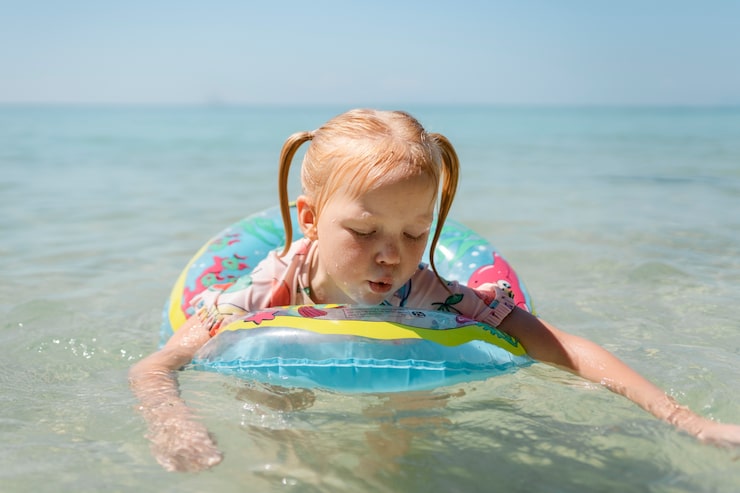
Paediatric Expert Urges Families to Prioritise Child Water Safety During Summer Holidays
As temperatures rise and families flock to beaches, swimming pools, and water parks, a leading paediatric specialist is urging parents and caregivers to remain vigilant about child water safety. While summer offers children countless opportunities to enjoy outdoor activities and develop confidence in the water, it also brings an increased risk of accidents that can have devastating consequences.
Prof Mohamed A Hendaus, Head of Paediatrics and Neonatology at The View Hospital and Professor of Clinical Paediatrics at Qatar University, has highlighted the importance of adopting a proactive approach to water safety as children spend more time participating in recreational water activities during the holiday season.
According to Prof Hendaus, many water-related incidents occur unexpectedly and often in situations where adults believe children are safe. He emphasises that accidents can happen within seconds and do not always involve dramatic calls for help or obvious signs of distress.
“Water-related accidents can happen quickly, often silently and in surprisingly shallow water,” he explained. “The key to prevention is not relying on a single safety measure but adopting multiple layers of protection.”
His warning comes at a time when many families are planning vacations, pool outings, and beach trips, making water safety a critical issue for parents across the region and beyond.
Understanding the Risks
Water activities provide significant benefits for children. Swimming improves physical fitness, builds confidence, enhances coordination, and encourages social interaction. However, experts caution that these advantages should never overshadow the potential dangers associated with water environments.
Prof Hendaus notes that drowning remains one of the most serious risks facing children during the summer months. Even more concerning are near-drowning incidents, which can result in severe neurological complications and long-term brain injuries if oxygen deprivation occurs.
Beyond drowning, children can also experience a variety of water-related injuries and health concerns. Slips and falls around wet surfaces frequently lead to cuts, fractures, and head injuries. Diving accidents can cause neck and spinal trauma, particularly when children dive into shallow or unfamiliar waters.
Natural bodies of water present additional hazards. Beaches, lakes, and open-water environments may expose children to strong currents, unexpected waves, sudden changes in water depth, and poor underwater visibility. These factors can quickly turn a fun day at the beach into an emergency situation.
Furthermore, prolonged exposure to high summer temperatures can increase the risk of dehydration, heat exhaustion, and sunburn, creating additional health challenges for children spending extended periods outdoors.
The Importance of Constant Supervision
Among all safety recommendations, Prof Hendaus identifies active adult supervision as the single most effective measure for preventing water-related accidents.
Parents often assume that a lifeguard, another family member, or a group of adults nearby will notice if a child gets into difficulty. Unfortunately, this assumption can create dangerous gaps in supervision.
“Many drowning incidents occur because adults mistakenly assume someone else is watching,” he said. “Direct, uninterrupted supervision remains the most effective way to protect children around water.”
Young children, especially toddlers and preschool-aged children, should remain within arm’s reach of a responsible adult whenever they are near water. This applies not only to swimming pools and beaches but also to bathtubs, inflatable pools, decorative water features, and any environment where water is present.
Experts stress that supervision should be active rather than passive. Watching a child while checking messages, talking on the phone, reading, or engaging in lengthy conversations can reduce reaction time during a critical moment.
The Role of Swimming Lessons
Swimming lessons are widely recognised as an important component of water safety education. Learning to swim can help children become more comfortable in the water and equip them with basic survival skills.
Prof Hendaus strongly encourages parents to enrol children in age-appropriate swimming programmes designed by qualified instructors. Such lessons can teach children how to float, tread water, enter and exit pools safely, and respond appropriately in emergency situations.
However, he cautions against viewing swimming ability as a guarantee of safety.
“Many parents assume that if a child can swim, they are safe. This is a dangerous misconception,” he explained. “Even experienced swimmers can become tired, panic or encounter unexpected conditions in the water.”
Swimming skills should therefore be considered one layer of protection rather than a replacement for adult supervision and other safety measures.
Creating Safer Home Pool Environments
For families with private swimming pools, home safety measures play a vital role in reducing risk. Studies have consistently shown that proper pool barriers significantly decrease the likelihood of accidental drownings among young children.
Prof Hendaus recommends installing four-sided fencing around swimming pools, complete with self-closing and self-latching gates. These barriers help prevent unsupervised access and provide an additional level of protection when adults are not present.
Pool owners should also remove toys from the water when swimming sessions end, as children may attempt to retrieve them without permission. Safety covers, pool alarms, and emergency rescue equipment can provide further layers of security.
Parents are encouraged to learn cardiopulmonary resuscitation (CPR) and basic first aid, ensuring they are prepared to respond quickly if an emergency occurs.
Life Jackets Save Lives
When families spend time on boats or near open water, properly fitted life jackets are essential. Approved life jackets are specifically designed to keep a child afloat and maintain an appropriate position in the water should an accident occur.
Prof Hendaus warns against relying on inflatable toys, water wings, or floating devices as substitutes for certified life jackets.
Although these products may appear to provide protection, they can deflate, slip off, or create a false sense of security. Parents should always prioritise approved safety equipment while maintaining close supervision.
Protecting Children from Summer Heat
Water safety extends beyond preventing drowning and injuries. High temperatures can also place children at risk of heat-related illnesses.
Prof Hendaus advises families to plan outdoor activities during cooler times of the day, such as early mornings or late afternoons. Children should drink water regularly, even when they do not feel thirsty, to avoid dehydration.
Lightweight clothing, wide-brimmed hats, sunglasses, and broad-spectrum sunscreen can help minimise the effects of prolonged sun exposure. Frequent breaks in shaded or air-conditioned areas are also recommended.
Parents should be alert for warning signs of heat exhaustion, including headaches, dizziness, fatigue, nausea, excessive sweating, and irritability. Early recognition of these symptoms can prevent more serious complications.
Building Confidence Through Positive Experiences
In addition to physical safety, emotional comfort plays an important role in helping children develop healthy relationships with water.
Prof Hendaus encourages parents to adopt a calm and supportive approach when introducing children to swimming and water-based activities. Pressuring children to enter the water before they feel ready can increase fear and anxiety.
Instead, families should focus on creating enjoyable, supervised experiences that allow children to build confidence gradually while learning essential safety rules.
One effective strategy is assigning a dedicated “water watcher” whenever children are swimming or playing near water. This individual should have no responsibilities other than supervising the children and should remain free from distractions such as mobile phones, conversations, or other activities.
As summer continues and families seek ways to stay active and cool, experts agree that water safety must remain a top priority. Through vigilant supervision, proper safety equipment, swimming education, and heat protection measures, parents can help ensure that children enjoy the season safely while reducing the risk of preventable accidents.
By adopting multiple layers of protection and maintaining constant awareness, families can transform water activities into positive, memorable experiences while safeguarding the health and wellbeing of their children.